What is Context Engineering?
Learn what context engineering is, how it differs from prompt engineering, the four main context engineering patterns, and why it matters for AI agents.
What is Context Engineering?
Most people think better AI results come from writing better prompts. That is true to some extent, but it is not the full picture. In real AI systems, the bigger problem is often not the prompt itself. The bigger problem is the context given to the AI.
Context engineering means giving an AI system the right information, tools, memory, and structure it needs to complete a task properly.
In simple words:
- Prompt engineering is about asking better.
- Context engineering is about preparing the AI better.
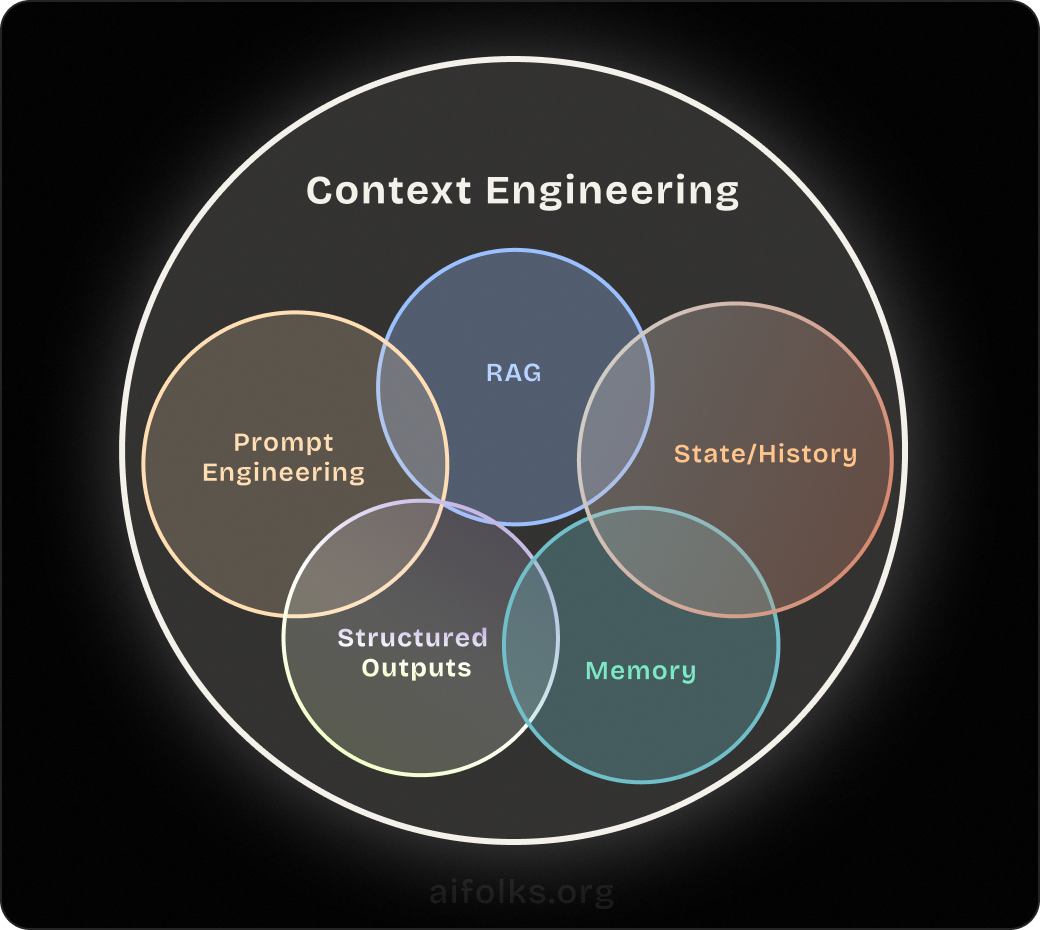
Why context matters in AI
Imagine asking a smart assistant to write a report. If you only give it one sentence, it may give you a very generic answer. But if you give it the goal, background information, documents, examples, tools, user preferences, and previous decisions, the answer becomes much better.
That is context engineering.
You are not just telling the AI what to do. You are giving it everything it needs to do the task well.
If you are still new to AI basics, you can first read Why Understanding AI Basics Is No Longer Optional.
Prompt engineering vs context engineering
Prompt engineering focuses on writing clear instructions.
For example:
Summarize this article in simple language.
Context engineering goes deeper. It asks questions like:
- What information should the AI see?
- Which documents should it use?
- Which tools should it access?
- What should it remember?
- What should it ignore?
- How much context is too much?
- Should the task be split between different agents?
This is why context engineering is becoming important in AI engineering. A strong AI system is not just a model with a clever prompt. It is a model with the right context around it.
Why prompts fail
Many prompt failures are actually context failures. The AI may fail not because the instruction was bad, but because the setup around the instruction was weak.
Some common reasons include:
- The AI does not have enough background information.
- The useful information is buried inside messy content.
- The context window is too small.
- The model receives too much irrelevant information.
- The model gets confused by competing instructions.
- The task is too large for one single context.
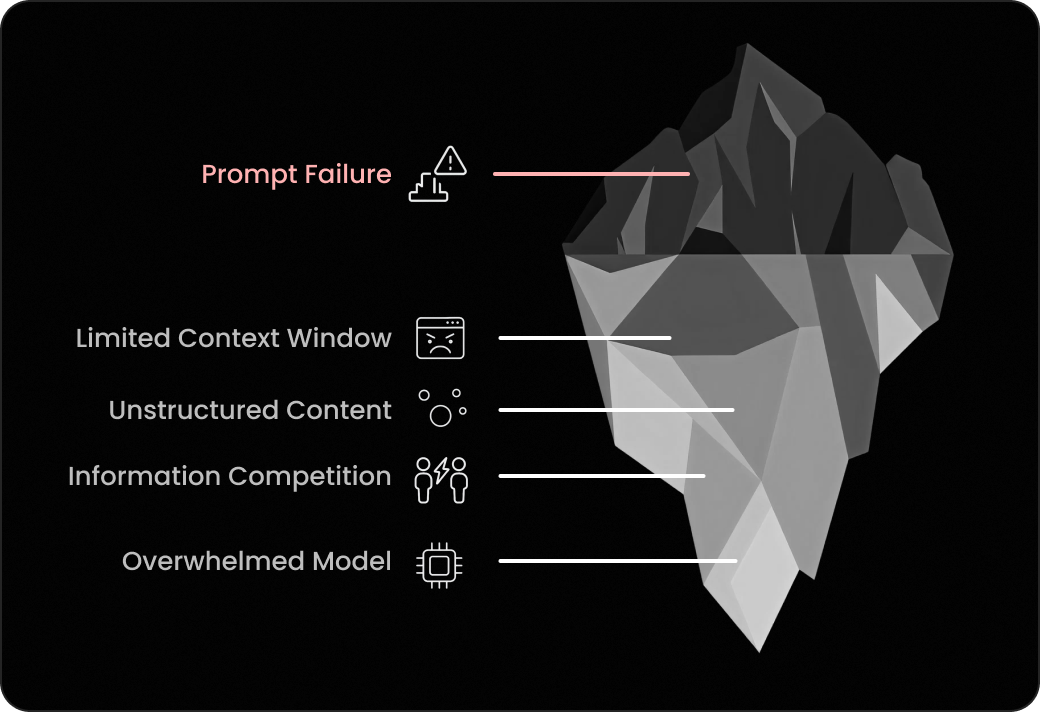
Think of this like an iceberg. The visible problem is the bad AI output. But underneath, the real issues are often limited context, unstructured information, too much noise, or poor memory.
The 4 main patterns of context engineering
Context engineering can be understood through four simple patterns:
- Write context
- Select context
- Compress context
- Isolate context
Each pattern helps the AI system manage information better.
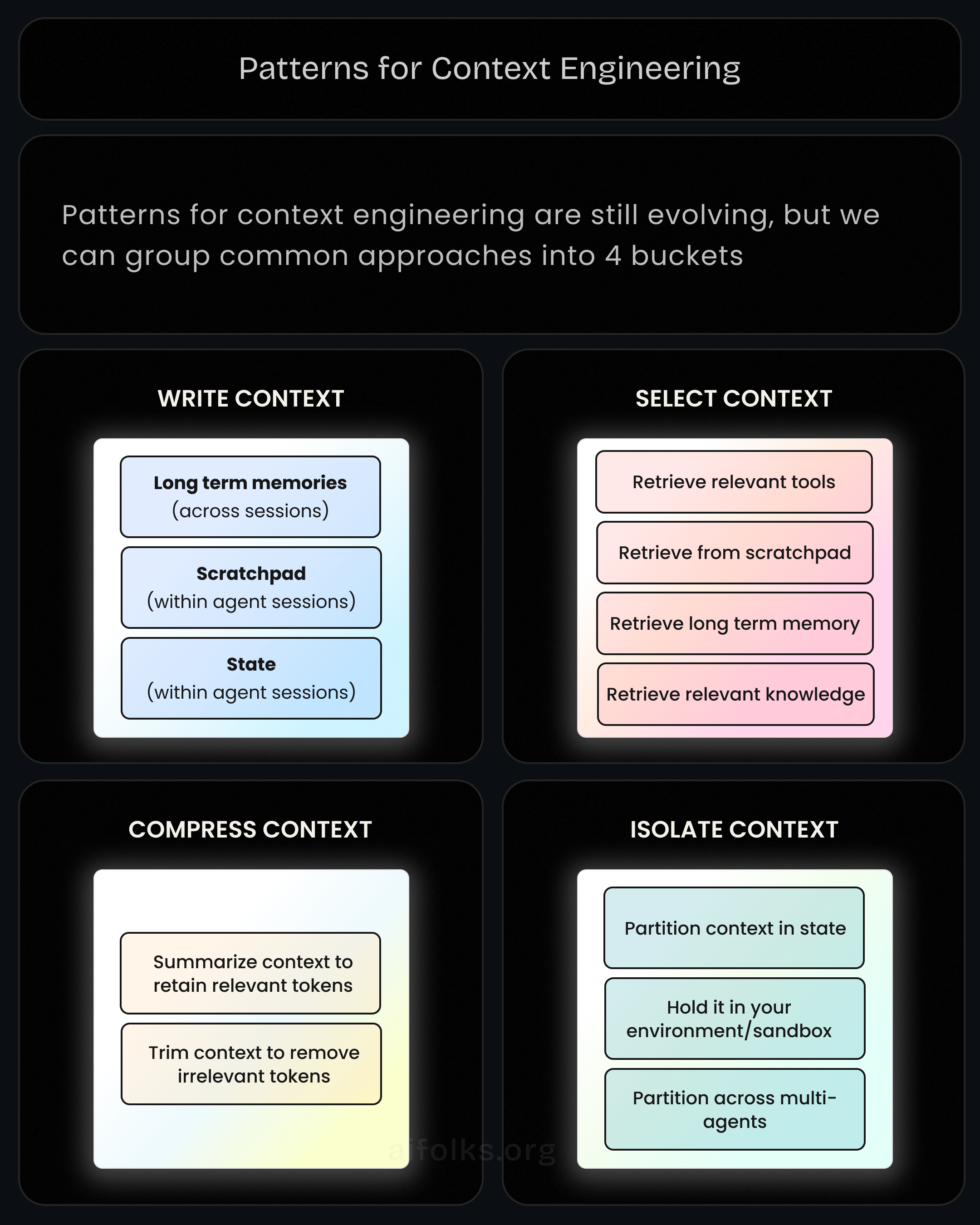
1. Write context
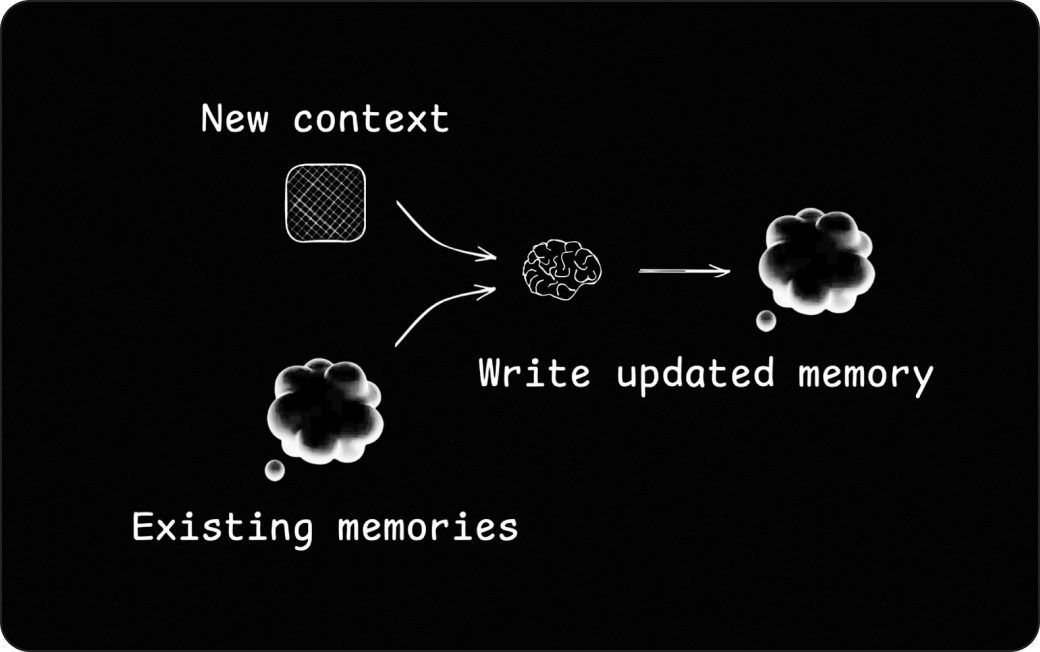
Writing context means saving useful information outside the current chat or context window. This helps the AI remember important details instead of starting from zero every time.
This can include:
- Past decisions
- User preferences
- Task progress
- Important notes
- Long-term memory
- Scratchpad updates
For example, if an AI agent is helping you build a website, it should remember your brand style, tech stack, page structure, and previous changes. Without memory, the agent has to relearn the same details again and again.
2. Select context
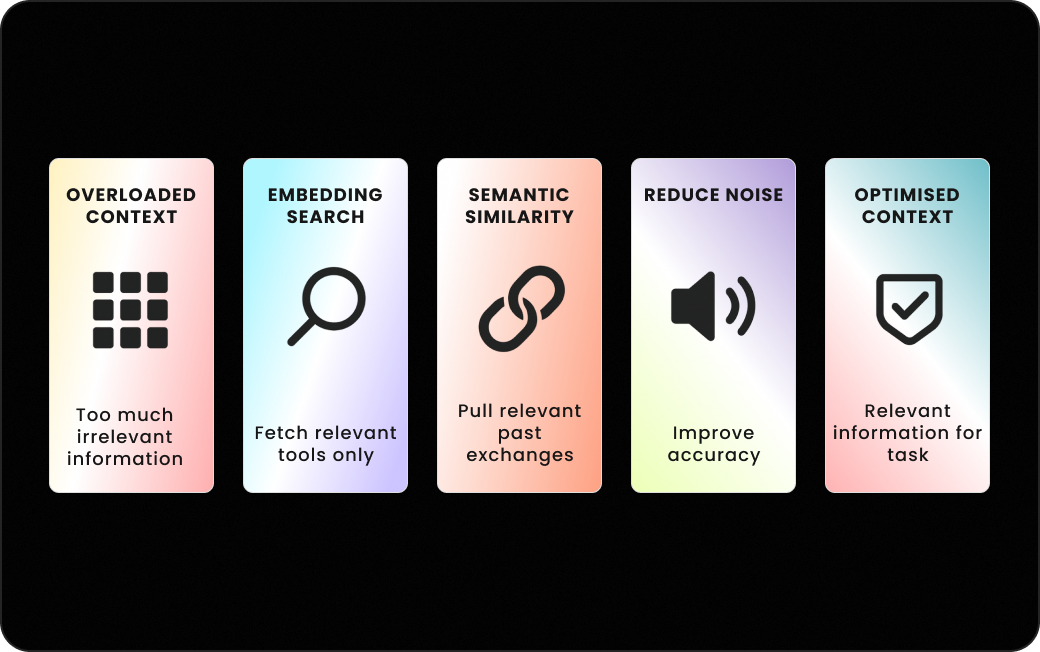
Selecting context means pulling in only the most relevant information for the task. This is important because more context is not always better.
Too much context can confuse the model.
For example, if you ask an AI assistant a question about a refund policy, it should not read every company document. It should retrieve only the policy sections that matter.
This is also why systems like RAG are useful. They help AI search and use only the most relevant information.
You can read more about this in What is a Simple RAG? once it is published on your site.
3. Compress context
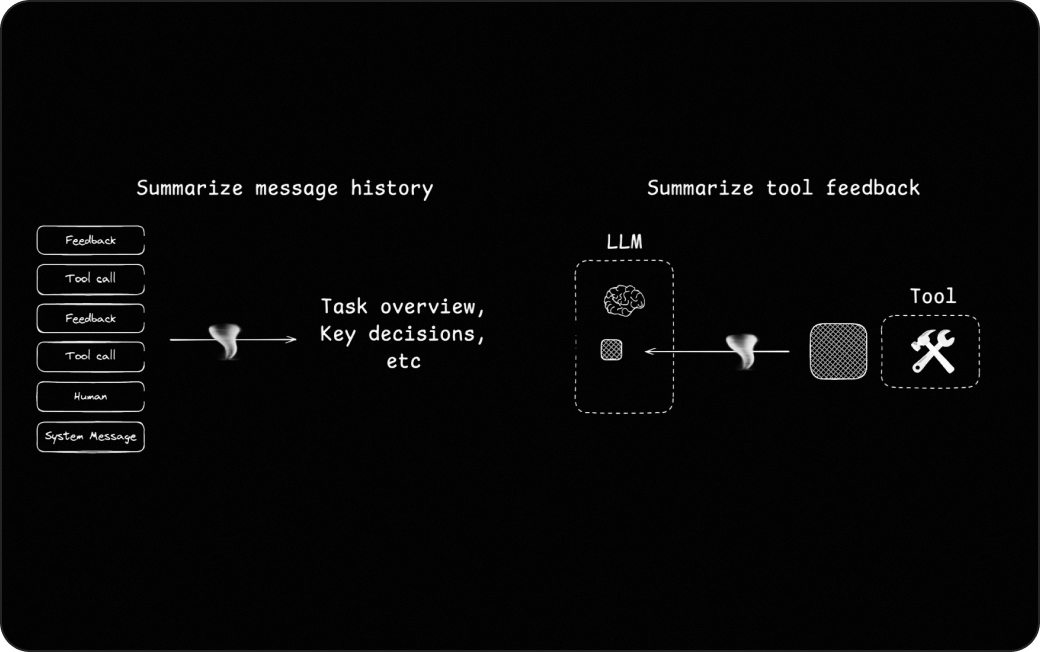
Compressing context means reducing large amounts of information into a smaller, useful form. Instead of giving the model everything, you give it the parts that matter most.
For example, instead of giving the model a full 50-message conversation, you can give it a short summary that includes:
- What the user wants
- What decisions were already made
- What files were used
- What still needs to be done
This helps the AI stay focused without wasting tokens. Compression is useful when working with long chats, large documents, tool results, or multi-step tasks.
4. Isolate context
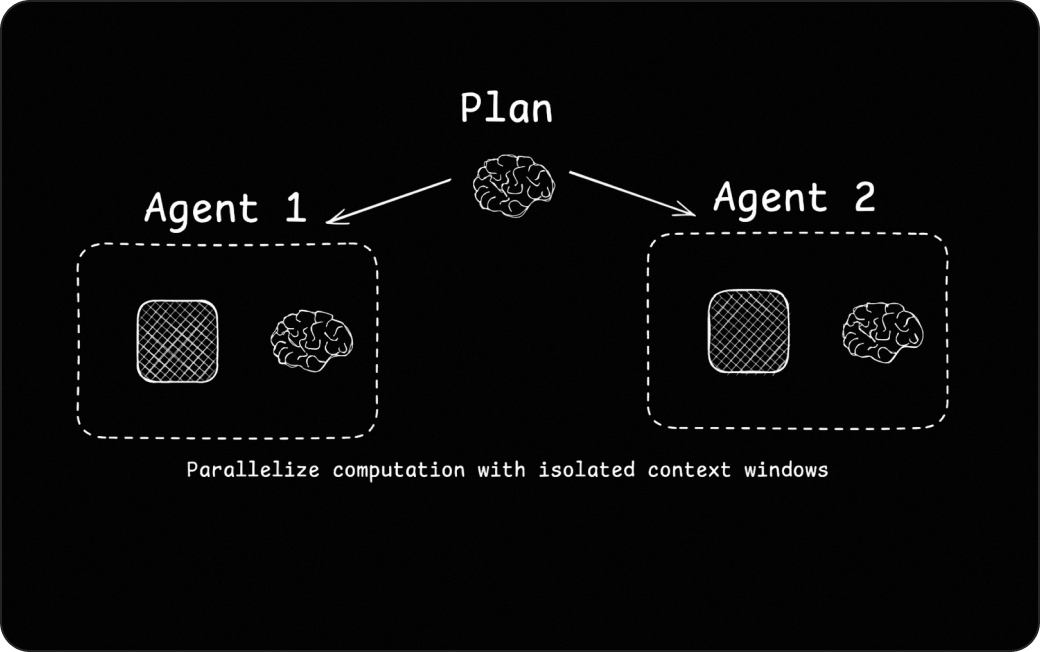
Isolating context means splitting work into separate parts. Instead of giving one AI agent everything, you can give different agents different responsibilities.
For example:
- One agent researches.
- One agent writes.
- One agent checks facts.
- One agent edits the final output.
Each agent gets only the context it needs. This reduces confusion and makes the system easier to manage.
Why context engineering matters for AI agents
AI agents need more than prompts. They need access to tools, memory, files, APIs, search, user instructions, and task history.
Without context engineering, an agent may:
- Forget important details
- Use the wrong tool
- Repeat the same mistake
- Ignore previous instructions
- Get overwhelmed by too much data
- Produce generic answers
With proper context engineering, the agent becomes more reliable. It knows what to look at, what to remember, what to ignore, and how to complete the task step by step.
If you want to understand how skills like this fit into an AI career, you may also like Building Your AI Career Path.
Why AI engineers should learn context engineering
As AI systems become more powerful, the real skill is not just using AI. The real skill is designing systems around AI.
Context engineering teaches you how to make AI systems more useful, accurate, and reliable. It connects many practical AI engineering ideas, such as:
- RAG
- Memory
- Agents
- Tool use
- Prompting
- Evaluation
- Workflows
- Knowledge retrieval
If you are learning AI while working or studying, you can also read Learn Machine Learning Without Quitting Your Job.
Final thoughts
Context engineering is the practice of giving AI the right setup before expecting the right output.
A prompt tells the AI what to do. Context gives the AI what it needs to do it well.
That is why context engineering is becoming one of the most important skills in AI engineering.
At AI Folks, we help learners understand practical AI engineering concepts like RAG, agents, workflows, and context engineering in a simple way.
Join the AI Folks community to start learning how real AI systems are built.